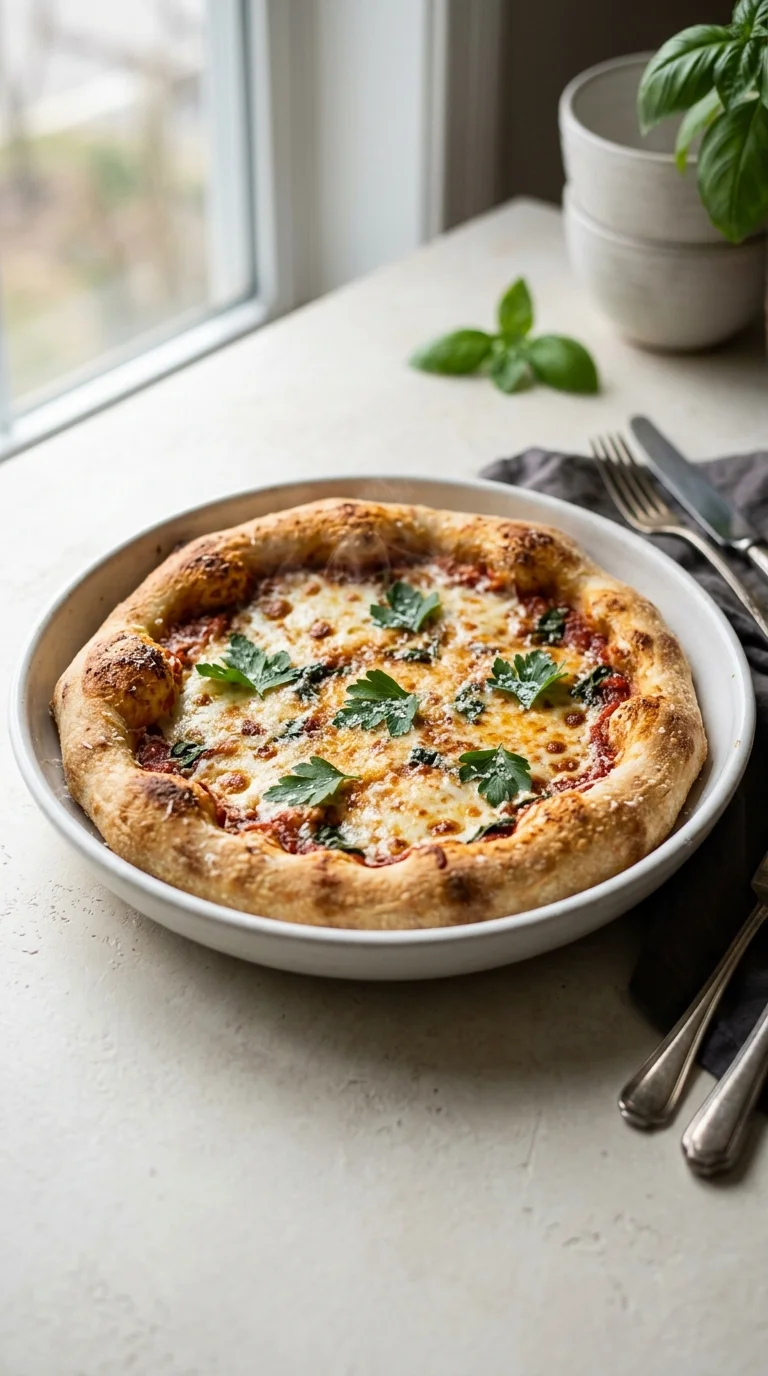
The art of the pizza crust has evolved over centuries, but the heart of it remains the same: a marriage of flour, water, and time. While traditional sourdough typically requires days of slow fermentation to develop its signature tang, the modern approach of using sourdough discard pizza dough allows that complex acidity to shine through in a fraction of the time. This method honors the ancient tradition of sourdough while bowing to the pace of contemporary life.
Originally rooted in the village ovens of Naples, pizza was a food of the people, designed to be quick and filling. By incorporating discard, the baker introduces lactic acid and wild yeast remnants that break down the proteins in the bread flour, resulting in a softer crumb and a more nuanced flavor profile than a standard quick-rise dough. It is a beautiful bridge between the slow-food movement and the necessity of a weeknight meal.
Cultural traditions around the globe have always found ways to minimize waste in the kitchen. Using the discard is a nod to those resourceful generations who viewed every scrap of fermented starter as a precious resource. Today, it remains a favorite technique for home bakers who crave the depth of a long ferment without the patience required for a three-day rise.
Why You'll Love It
-
- Well, it's just such a relief to use up that 1 cup sourdough discard instead of tossing it, and the flavor it adds is just lovely.
-
- Honestly, getting a homemade crust on the table in about an hour is a bit of a miracle for those hectic weeknights.
-
- I love how it turns out so soft and chewy, reminding me of the pizzas we used to make when the kids were little.
-
- It has this gentle, tangy depth that you just can't get from a store-bought mix, and it makes the whole kitchen smell like a bakery.
"Finally, a way to use my starter that doesn't take all weekend. The crust is so soft and the kids actually ate it!"
Essential Ingredient Guide
- 2 ½ cups bread flour: I always use bread flour here because it gives the crust that nice, sturdy chew. It's just a bit stronger than all-purpose, which helps the dough hold its shape.
- 1 cup sourdough discard (room temperature): This is where the magic happens, adding a soft tang to the bread. Just make sure it's not too cold, or the yeast might get a bit sleepy.
- 1 tablespoon olive oil: A little bit of oil keeps the dough supple and helps the edges brown beautifully in the oven. It adds a subtle, fruity richness I really enjoy.
- 1 teaspoon salt: Don't skip this, honey; it's what wakes up all the other flavors. I usually whisk it right into the flour so it's evenly spread.
- ¾ cup warm water (110°F): The water needs to be just warm—think of a baby's bath—to help the yeast bloom. If it's too hot, oops, you might kill the yeast.
- 1 tablespoon active dry yeast: Since we're in a hurry, this gives us the lift we need. I love watching it get all frothy in the water; it's how I know it's working.

Complete Cooking Process
-
Getting Ready:
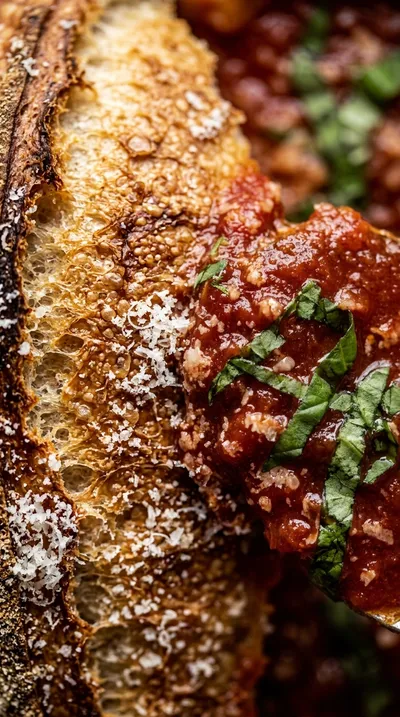
I start by making sure my 1 cup sourdough discard is at room temperature so it blends in smoothly. Then, I let the yeast wake up in the warm water for a minute or two until it's nice and bubbly.
-
Developing the Flavor:
The flavor really starts to come together when the sourdough discard and olive oil meet the flour. Stirring it into a shaggy dough is my favorite part—it feels so rustic.
-
Perfecting the Texture:
Kneading for about 5-7 minutes is key to getting that elastic feel. Letting the dough rest for 15 minutes after shaping is the secret to making sure it doesn't shrink back when you roll it out.
-
The Final Touch:
Before the pizza goes in, I like to add my favorite sauce and toppings. If you want a little extra crunch, brushing the edges with olive oil makes them just gorgeous.
-
Serving it Right:
The best part is sliding it out of the 475°F oven when the cheese is bubbling. I let it sit for just one minute—if I can wait that long—before slicing it hot.
-
If your discard is cold, let it sit out for 30 minutes so it doesn't slow down your rise.
-
Don't worry if the dough is sticky; just sprinkle a tablespoon of flour and knead a bit more.
-
Brush the raw edges with olive oil for a more professional, golden crunch.
-
Preheat your pizza stone or baking sheet inside the oven for a crispier bottom.
Pro Tips
You've got this, just trust your hands and enjoy the process!


Better For You Treats
I love that this dough uses natural leavening from the sourdough, which feels a bit gentler on the stomach. It's a mindful way to enjoy a family favorite, especially since it's vegan-friendly and uses complex carbohydrates.
Ways to Make it Your Own
You could try my herb-infused version by adding a teaspoon each of dried oregano, thyme, and rosemary to the dry mix. Or, if you're feeling heartier, replace 1 ¼ cups of bread flour with whole wheat flour for a bit more fiber.
Serving Suggestions
I think a splash of extra-virgin olive oil and some red pepper flakes on top is just lovely. I usually serve mine with a crisp green salad and a lemon-yogurt vinaigrette to keep things feeling fresh.
Frequently Asked Questions
→ What if my dough won't stop sticking to my hands?
Oh, that happens to the best of us! Just sprinkle a tablespoon of flour on your surface and knead it for another minute or so.
→ Can I make this dough ahead of time?
Yeah, you certainly can. Just keep the unbaked dough in the fridge, but remember to let it come back to room temperature before you roll it out.
→ Do I really need a pizza stone?
Look, a stone is wonderful for that crisp bottom, but a regular baking sheet works just fine too—just preheat it in the oven first.

Nutrition Facts
per serving
280
Calories
9g
Protein
52g
Carbs
4g
Fat
Taste Profile
A balanced, slightly tangy homemade crust with a rich, wheaty finish.
Ingredient Substitutions
Don't have an ingredient? Try these alternatives
The crust will be softer and less chewy.
Works perfectly as a neutral oil alternative.
Recipe Variations
Try these delicious twists on the original
Herb‑Infused Sourdough Discard Pizza Dough
For something a bit more aromatic, add 1 teaspoon each of dried oregano, thyme, and rosemary to the dry mix.
Whole Wheat Sourdough Discard Pizza Dough
For a heartier, higher‑fiber crust, replace 1 ¼ cups of the bread flour with whole wheat flour.
Common Mistakes to Avoid
Learn from others' mistakes for perfect results
- Using water that is too hot, which can kill the yeast.
- Skipping the resting period after shaping, leading to a tough crust.
- Over-flouring the surface, which can make the dough dry.
Meal Prep & Storage
Make Ahead Tips
You can prepare the dough and keep it in the fridge overnight, though it may need more time to come to room temperature before rolling.
Leftover Ideas
Wrap leftovers in foil and freeze for up to 2 months; just thaw in the refrigerator overnight before reheating in the oven.
Perfect Pairings
Serve this with...
Cooking Timeline
Mix dry ingredients and bloom the yeast.
Combine ingredients and knead the dough until smooth.
First rise period (30 minutes).
Shape, rest, roll, and top the pizza.
Bake until golden and bubbling.


1 Hour Sourdough Discard Pizza Dough
A soft, golden crust that fills the kitchen with a cozy, yeasty aroma. This sourdough discard pizza dough brings a deep, homemade flavor to your table without the long wait.
Timing
Prep Time
10 Minutes
Cook Time
10 Minutes
Total Time
65 Minutes
Recipe Details
Ingredients
Main Dough
-
01
2 ½ cups bread flour
-
02
1 cup sourdough discard (room temperature)
-
03
1 tablespoon active dry yeast
-
04
1 teaspoon salt
-
05
1 tablespoon olive oil
-
06
¾ cup warm water (110°F)
Instructions
Well, let's start by grabbing a large bowl and whisking together your 2 ½ cups bread flour and 1 teaspoon salt. Just a quick mix to get them acquainted.
In a separate small bowl, gently dissolve the 1 tablespoon active dry yeast into the ¾ cup warm water (110°F). Let it sit for 1‑2 minutes; you're looking for it to get all frothy and happy.
Now, stir in the 1 cup sourdough discard (room temperature) and 1 tablespoon olive oil into your flour mixture. Mix it all together until a shaggy dough forms—it's okay if it looks a bit messy at first.
Move the dough over to a lightly floured surface. Knead it for about 5‑7 minutes. Honestly, it's a bit therapeutic; just keep going until the dough feels smooth and elastic under your hands.
Place your dough in a lightly oiled bowl and cover it with a damp kitchen towel. Let it have a little nap at room temperature for 30 minutes. You'll know it's ready when it's rounded and slightly puffed up.
Preheat your oven to 475°F (245°C) and slide your pizza stone or baking sheet inside to get it screaming hot. Once the dough has risen, divide it into two equal portions. Shape each into a ball and set them on parchment paper.
Now, this part is important: let the shaped dough rest for 15 minutes to relax the gluten. Once rested, roll each ball out on a floured surface until they're about 12 inches in diameter.
Carefully transfer the rolled dough onto the parchment. This is the fun part—add your favorite sauce and toppings, then slide that beauty onto the preheated stone or sheet.
Bake for 10‑12 minutes. Keep an eye on it until the crust edges are a lovely golden brown and the cheese is bubbling away.
Take it out of the oven and, ugh, try to wait just one minute for it to cool. Then, slice it up with a pizza cutter and serve it while it's hot.
Notes & Tips
-
1
Room temperature discard is key for a predictable rise.
-
2
Don't skip the 15-minute rest after shaping, or the dough will just shrink back.
-
3
A preheated stone makes a world of difference for the bottom crust.

Tools You'll Need
-
Large mixing bowl for combining ingredients
-
Rubber spatula for stirring the shaggy dough
-
Measuring cups and spoons for precision
-
Kitchen towel to keep the dough moist while rising
-
Pizza stone or baking sheet for a crisp base
-
Oven for high-heat baking
-
Pizza cutter for clean slices
Must-Know Tips
-
Discard Temperature, If your discard is cold, let it sit at room temperature for 30 minutes before mixing to ensure a proper rise.
-
Stickiness Fix, Should the dough feel too sticky, sprinkle a tablespoon of flour on the surface and knead a bit more to achieve a manageable consistency.
-
Edge Crunch, For extra crunch, brush the raw dough edges with a little olive oil before baking.
Professional Secrets
-
Using bread flour instead of all-purpose provides a better chew and structure.
-
High-heat preheating of the baking surface mimics a professional pizza oven.
-
Allowing gluten to relax prevents the dough from fighting you during rolling.
What readers are saying
Community reviews from home cooks like you
This was a hit with my family. I really liked how the 2 ½ cups bread flour and 1 cup sourdough discard (room temperature) came together. I added a bit more seasoning next time. Highly recommend giving it a try.
Can't believe how simple this was. I really liked how the 2 ½ cups bread flour and 1 cup sourdough discard (room temperature) came together. Next time I'll double the sauce. Great addition to my recipe rotation.
I wanted to love this dish, but it didn't quite work for me. I swapped one ingredient and it still worked. I think with some tweaks it could be really good.
Decent result for the effort. The flour flavor was nice, but i would reduce the salt a little. I might try it again with some adjustments.
Can't believe how simple this was. I really liked how the 2 ½ cups bread flour and 1 cup sourdough discard (room temperature) came together. I added a bit more seasoning next time. Already shared it with a friend.
The flavors were spot on. I really liked how the 2 ½ cups bread flour and 1 cup sourdough discard (room temperature) came together. The texture was a touch off, but the flavor saved it. Saving this for later.

Recipe by
Sofia RiveraExploring the world through food 🌍🍲 Rich flavors, exciting dishes, and endless culinary inspiration ✨
Get Delicious Recipes Weekly
Join 25,000+ home cooks getting our best recipes straight to their inbox.
Free forever • No spam • Unsubscribe anytime