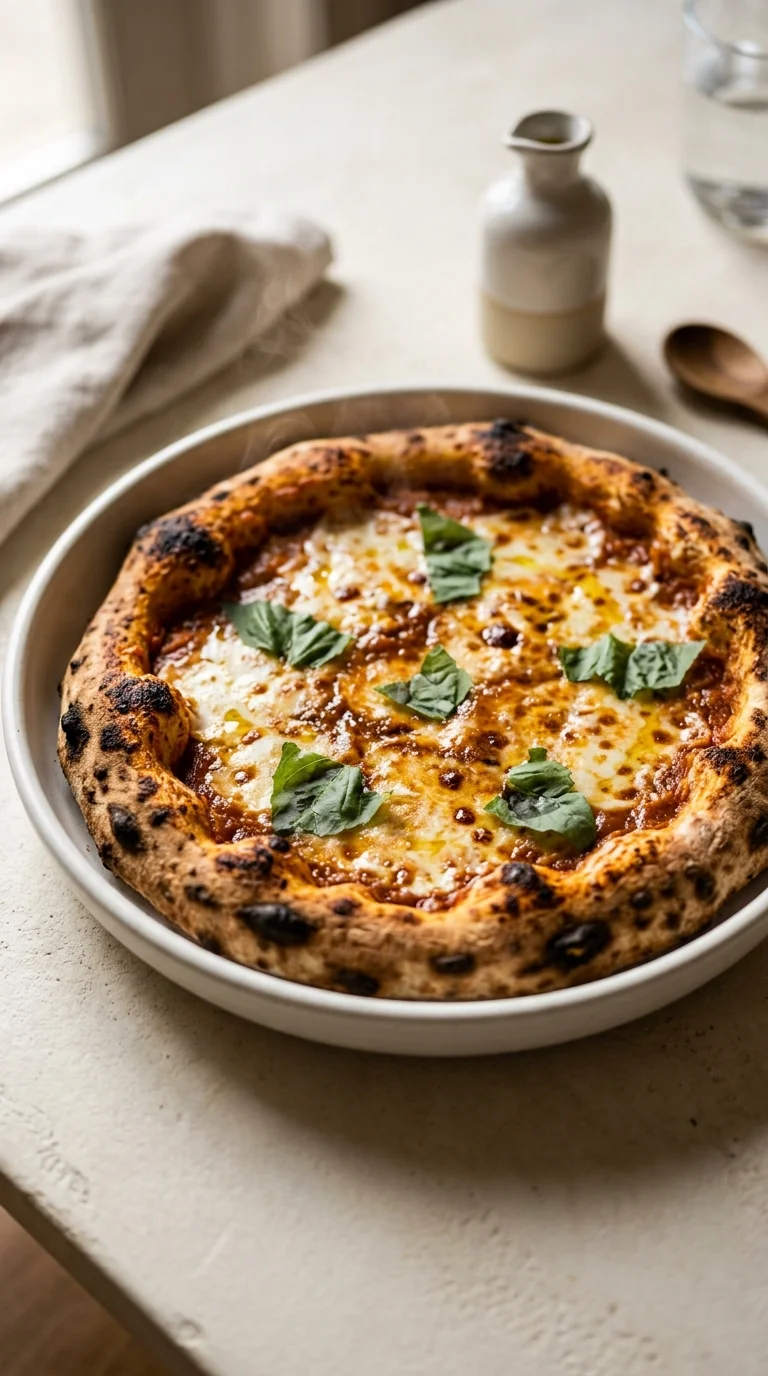
The art of the sourdough pizza dough is a nod to the ancient traditions of Neapolitan baking, where wild yeasts were captured from the very air of the city. Long before commercial yeast packets existed, bakers relied on the symbiotic relationship between flour and water to create a lift that was as natural as it was flavorful. This slow fermentation process doesn't just create those signature airy pockets; it breaks down the gluten, making the crust easier on the stomach and richer in taste.
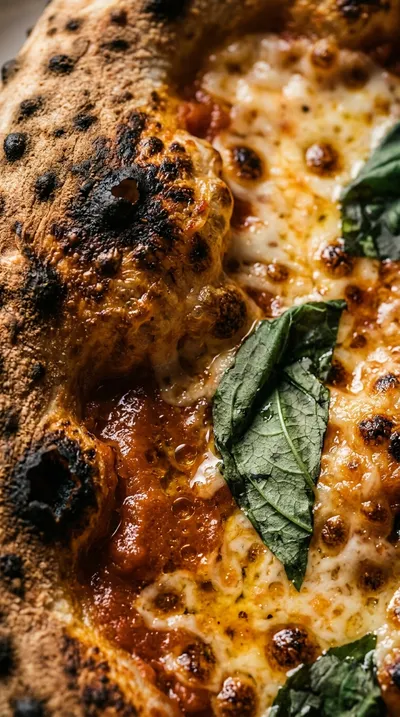
Culturally, the transition from rustic village loaves to a flattened pizza base represents the ingenuity of Italian home cooking. By using a long fermentation, the natural sugars in the bread flour caramelize more deeply under high heat, resulting in that elusive 'leopard spotting' on the crust. It is a process of patience and heat, turning basic pantry staples into a culinary centerpiece that has sustained families for generations.
Why You'll Love It
-
- Honestly, that deep, tangy flavor you get from the 1 cup active sourdough starter is just something you can't replicate with store-bought yeast.
-
- I love how the crust gets those gorgeous, caramelized bubbles; it's just so satisfying to hear that crunch when you take the first bite.
-
- It's a slow process, yeah, but there's something so grounding about the stretch-and-folds that makes the whole kitchen feel peaceful.
-
- Well, look, it's the perfect canvas—whether you're using the 200 g shredded mozzarella cheese or something fancier, the dough just holds it all together beautifully.
"Honestly, I never knew my home oven could do this. That tangy crust is just... wow. My kids actually asked for seconds!"
Essential Ingredient Guide
- 1 cup active sourdough starter (100% hydration): This is the heart of the whole thing. Make sure it's bubbly and active, or the dough won't have that lovely lift I remember from my first few loaves.
- 500 g bread flour (about 3¼ cups): I always reach for bread flour here because the extra protein gives the crust that wonderful chew. It just feels more substantial, you know?
- 1 tsp dried oregano (optional, folded into dough for a herbed crust): Adding this is just a little treat for the senses. It gives the crust a rustic, earthy scent that fills the house while it bakes.
- 12 g salt (2 teaspoons): Don't skip this, seriously. Salt doesn't just season the dough; it keeps the fermentation in check so things don't get too wild.
- 1 tbsp extra‑virgin olive oil, plus extra for greasing: A good oil adds a gentle richness and helps the cheese brown. I like a drizzle on top at the end for a bit of a shine.
- 1 cup San Marzano tomato sauce: These tomatoes have a natural sweetness that's just lovely. It balances out the tang of the sourdough without needing any extra sugar.
Complete Cooking Process
-
Ingredient Readiness:
Start by making sure your 300 ml water is right around 65°F. It's a gentle warmth that welcomes the starter without shocking it, which is just key for a happy dough.
-
Flavor Development:
The real magic happens during those stretch-and-folds over two hours. That's when the sourdough starter really gets to work, creating those complex, deep flavors we love.
-
Texture Control:
The 30-minute autolyse is where the flour hydrates, making the dough easier to handle. Just be gentle during the shaping so you don't push out all those precious air bubbles.
-
Finishing Touches:
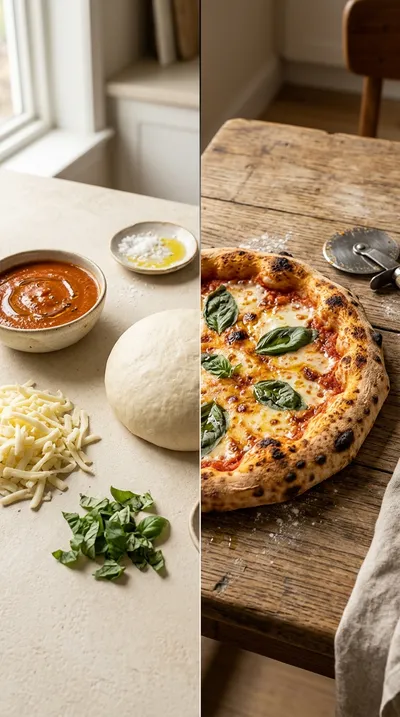
A light brush of olive oil and a scattering of 200 g shredded mozzarella cheese and torn basil leaves makes it look so inviting. I like to pierce a few holes with a fork to keep the base flat.
-
Serving Timing:
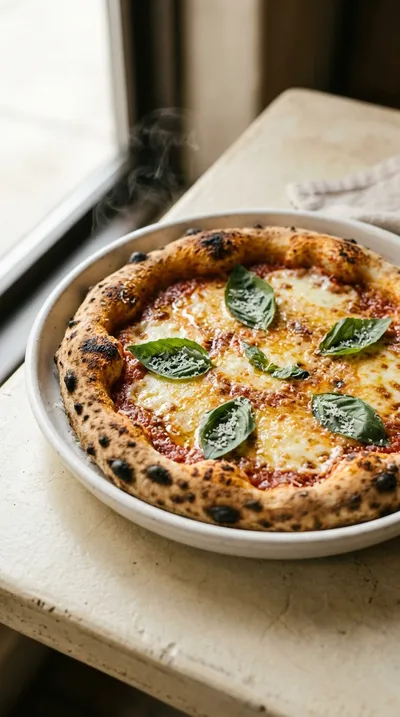
Let it rest for 3‑5 minutes after it comes out of the 500°F oven. It's hard to wait, I know, but it lets the cheese set just right before you slice in.
-
Use an oven thermometer to make sure you've truly hit 500°F so you don't end up with a soggy crust.
-
If the dough feels a bit sticky on your peel, just dust it with some semolina flour for a nice cracked texture.
-
Avoid overworking the dough after the first mix; keeping it relaxed ensures a light, chewy crumb.
-
Let your pizza stone heat up for at least 45 minutes to get that professional, crisp bottom.
Pro Tips
You've got this, just take your time and enjoy the process!
 Snacks, Appetizers & Fun Bites
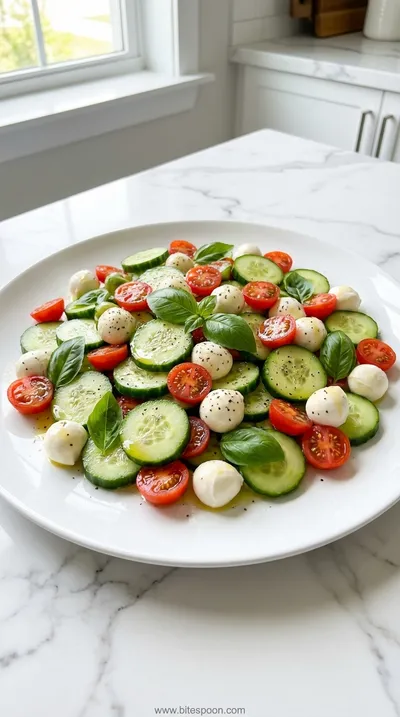
Quick Cucumber Mozzarella Salad
A quick, crisp cucumber and mozzarella salad with a hint of sweet vinaigrette.

Better For You Treats
Sourdough is just a bit kinder to the tummy, honestly. The natural fermentation breaks things down, and using 1 cup active sourdough starter adds those lovely probiotics that make this feel like a more mindful choice.
Ways to Make it Your Own
You could try a Herb-Infused version by folding in thyme and rosemary, or swap half of the 500 g bread flour for whole-wheat flour for a nuttier taste. Just remember that whole-wheat is a bit thirstier and might need a splash more water.
Serving Suggestions
I love pairing this with a crisp mixed-greens salad with lemon-olive oil vinaigrette to cut through the richness. For something a bit more indulgent, a dollop of ricotta on the side is just heaven.
Frequently Asked Questions
→ What if my dough isn't doubling in size during the rise?
Ugh, that happens! Your kitchen might just be a bit chilly; try moving the bowl to a warmer spot, like near the oven, and give it a little more time.
→ Can I make the dough ahead of time?
Yeah, absolutely. I usually wrap the dough balls tightly and pop them in the freezer for up to 3 months, then just thaw them in the fridge overnight.
→ My pizza is sticking to the parchment paper, any tips?
Well, look, just make sure you're using a good quality parchment and perhaps a tiny bit of olive oil underneath the dough before you shape it.
Nutrition Facts
per serving
850
Calories
32g
Protein
95g
Carbs
22g
Fat
Taste Profile
A deep, tangy sourdough base balanced by rich tomato and creamy mozzarella.
Ingredient Substitutions
Don't have an ingredient? Try these alternatives
The crust will be softer and less chewy.
Changes the flavor profile but still melts well.
Recipe Variations
Try these delicious twists on the original
Herb‑Infused Sourdough Pizza Dough
For a more fragrant, savory crust, fold in 1 teaspoon each of dried oregano, thyme, and rosemary during your initial mix.
Whole‑Wheat Sourdough Pizza Dough
Swap 50% of the bread flour for whole‑wheat flour for a nuttier taste and more fiber. Just keep an eye on the water, as whole‑wheat is a bit thirstier.
Common Mistakes to Avoid
Learn from others' mistakes for perfect results
- Overworking the dough, which leads to a dense rather than airy crumb.
- Using a stone that hasn't been preheated long enough, causing a soggy crust.
- Skipping the resting period after baking, which can make the cheese too runny.
Meal Prep & Storage
Make Ahead Tips
You can prepare the dough balls in advance and keep them in the refrigerator, or freeze them for up to 3 months.
Leftover Ideas
Store leftover pizza in an airtight container. Reheat in a hot oven or on a skillet to bring back the crispness.
Perfect Pairings
Serve this with...
Cooking Timeline
Mix starter and water
Incorporate flour and salt
Autolyse rest period
Stretch-and-folds every 30 mins
Final proof and baking
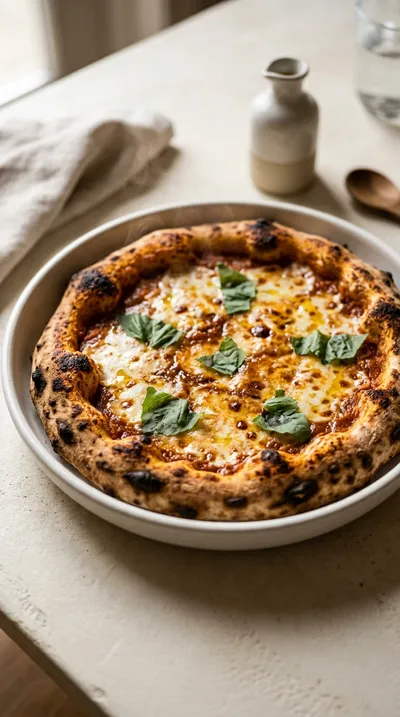
Sourdough Pizza Dough Recipe for Incredible Flavor
There is something so grounding about the tang of a sourdough pizza dough baking in a hot oven. The crust comes out golden and caramelized, creating a chewy, soulful base for your favorite toppings.
Timing
Prep Time
30 Minutes
Cook Time
8 Minutes
Total Time
38 Minutes
Recipe Details
Ingredients
The Dough
-
01
1 cup active sourdough starter (100% hydration)
-
02
300 ml water, 65°F
-
03
500 g bread flour (about 3¾ cups)
-
04
12 g salt (2 teaspoons)
-
05
1 tsp dried oregano (optional, folded into dough for a herbed crust)
Toppings
-
01
1 cup San Marzano tomato sauce
-
02
200 g shredded mozzarella cheese
-
03
2 tbsp fresh basil leaves, torn
-
04
1 tbsp extra‑virgin olive oil, plus extra for greasing
Preparation
-
01
Parchment paper for shaping
Instructions
Start by grabbing your large mixing bowl. Whisk together the 1 cup active sourdough starter and 300 ml of 65°F water. You want it to be smooth and a bit runny, almost like a thick batter. It's a lovely, quiet start to the process.
Now, stir in the 500 g bread flour and 12 g salt. If you're feeling fancy, go ahead and add that 1 tsp dried oregano here. Use a wooden spoon or just your hands—I prefer the feel of it—until a shaggy, rough dough comes together. Don't worry if it looks a bit messy; that's just how it starts.
Cover your bowl with a damp towel and just let it be for 30 minutes. This is the autolyse phase. It lets the flour really hydrate and gets the gluten moving along without any hard work from us.
Move the dough to a surface with a little flour. Over the next 2 hours, every 30 minutes, give the dough some gentle stretch‑and‑folds. Keep it at room temperature (~75°F). By the end, you'll see it double in size and feel wonderfully airy. It's kind of magical, honestly.
Divide your dough into two equal 250 g portions. Shape them into tight little balls and set them on parchment‑lined trays. Cover them loosely with plastic wrap and let them rise for another 20–30 minutes. You're looking for them to be visibly puffy.
Time to get the heat going. Preheat your oven to 500°F (260°C) with your pizza stone already inside. Let that stone soak up the heat for at least 45 minutes. If the stone isn't hot enough, well, you'll end up with a soggy bottom, and nobody wants that.
On your pizza peel, gently press each dough ball into a smooth disc, about 12 inches across. I like to pierce a few tiny holes with a fork—it just stops those big unexpected blisters from forming while it bakes.
Brush a little bit of that 1 tbsp extra‑virgin olive oil on the surface. Spread about ¾ cup of San Marzano tomato sauce, sprinkle on the 200 g shredded mozzarella cheese, and tear those 2 tbsp fresh basil leaves over the top. Finish with a tiny drizzle of olive oil.
Slide the pizza, still on its parchment, onto the hot stone using your peel. Bake for 7–9 minutes. Keep a close eye on it until the edges are golden brown and the cheese is bubbling away.
Take it out and let it rest for 3–5 minutes—I know it's hard to wait, but it helps. Slice it up and serve it immediately. If you've got a bit more fresh basil or olive oil, a final touch here is just lovely.
Notes & Tips
-
1
A kitchen thermometer is a lifesaver to make sure your oven actually hit 500°F.
-
2
Be gentle with the dough after the first mix; keeping it relaxed ensures a light, chewy crumb.
-
3
Semolina flour on the peel is a great trick to stop sticking and add a bit of crunch.
Tools You'll Need
-
Large mixing bowl for the initial combine
-
Kneading/bench scraper for handling the dough
-
Kitchen scale for precise measurements
-
Bench knife for dividing the dough
-
Pizza peel or inverted baking sheet for transferring
-
Pizza stone for that professional crisp
-
Oven thermometer to verify high heat
-
Proofing container or covered bowl for the rise
-
Measuring spoons for the smaller additions
Must-Know Tips
-
Check your stone temperature, Under‑baked stones can leave a soggy crust.
-
Handle the dough gently, Overworking the dough after initial kneading ruins the light crumb.
-
Use semolina flour, Lightly dust the peel with semolina if the dough sticks to prevent tearing.
Professional Secrets
-
The 30-minute autolyse period simplifies the kneading process and improves texture.
-
Perform stretch-and-folds every 30 minutes to build strength without degassing the dough.
-
Preheating the stone for a full 45 minutes is the only way to get a true caramelized base.
What readers are saying
Community reviews from home cooks like you
Can't believe how simple this was. I really liked how the 1 cup active sourdough starter (100% hydration) and 300 ml water, 65°F came together. Highly recommend giving it a try.
Will definitely make this again. I really liked how the 1 cup active sourdough starter (100% hydration) and 300 ml water, 65°F came together. Will be making this regularly.
My new favorite way to make Sourdough Pizza Dough Recipe for Incredible Flavor. I really liked how the 1 cup active sourdough starter (100% hydration) and 300 ml water, 65°F came together. Great addition to my recipe rotation.
This was a hit with my family. I really liked how the 1 cup active sourdough starter (100% hydration) and 300 ml water, 65°F came together. The texture was a touch off, but the flavor saved it. Perfect as written.
I was surprised how good this turned out. I really liked how the 1 cup active sourdough starter (100% hydration) and 300 ml water, 65°F came together. Perfect as written.
This was a hit with my family. I really liked how the 1 cup active sourdough starter (100% hydration) and 300 ml water, 65°F came together. My kids even asked for seconds.
Decent result for the effort. The hydration) flavor was nice, but next time i'll double the sauce. I might try it again with some adjustments.
Decent result for the effort. The hydration) flavor was nice, but i swapped one ingredient and it still worked. I might try it again with some adjustments.
Good, but not amazing. The hydration) flavor was nice, but i added a bit more seasoning next time. I might try it again with some adjustments.
Absolutely loved this recipe! I really liked how the 1 cup active sourdough starter (100% hydration) and 300 ml water, 65°F came together. It took slightly longer than the recipe said. Thanks for sharing this one!

Recipe by
Sofia RiveraExploring the world through food 🌍🍲 Rich flavors, exciting dishes, and endless culinary inspiration ✨
Get Delicious Recipes Weekly
Join 25,000+ home cooks getting our best recipes straight to their inbox.
Free forever • No spam • Unsubscribe anytime