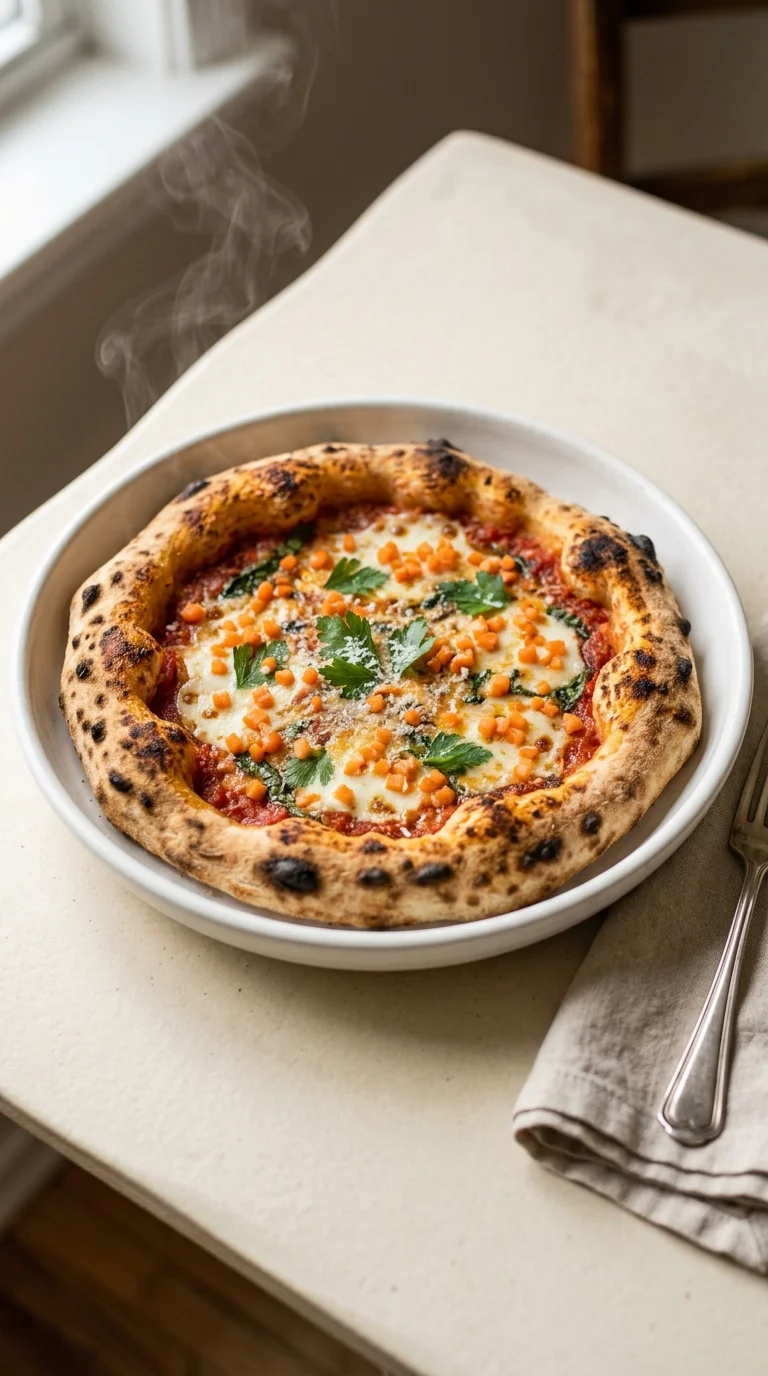
The art of the sourdough pizza crust no yeast is rooted in the ancient practice of wild fermentation, long before commercial packets of yeast were a staple in every pantry. In traditional European village baking, the "levain" or starter was a community treasure, passed down through generations to provide the lift and distinctive tang that defines rustic breads.
Unlike modern quick-rise doughs, these early crusts relied on the symbiotic relationship between wild yeast and lactic acid bacteria found in the air and grain. This slower process not only deepened the flavor profile but also broke down gluten and phytic acid, making the bread easier on the stomach and more nourishing for the body.
Bringing these traditions into the home kitchen transforms a simple meal into a reflective experience. The use of sourdough discard allows the natural acidity to tenderize the dough, resulting in a texture that is simultaneously airy and substantial, echoing the stone-baked pizzas of Naples and the hearth-baked loaves of the countryside.
Why You'll Love It
-
- Honestly, that natural tang from the 1 cup sourdough discard just makes the crust taste like something from a real bakery, you know?
-
- It's just so comforting to have a chewy, rustic pizza night without needing to worry about active yeast—it's just simpler, really.
-
- Well, look, there's something so grounding about kneading the dough by hand; it's a little bit of quiet time in a busy day.
-
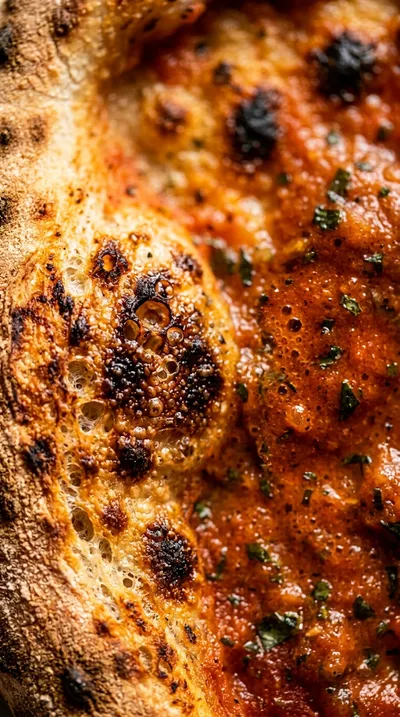
- Wow, the way the edges get all golden and crisp in the oven... it just feels like a warm hug on a plate.
"Honestly, it's the most comforting crust I've ever made. That tang is just perfect, and it's so much easier to digest!"
Essential Ingredient Guide
- 1 cup sourdough discard (ripe, at room temperature): This is where the magic happens, really. I always make sure mine is sitting out so it's not cold, which just helps everything blend together more smoothly.
- 2 cups all‑purpose flour, plus extra for dusting: I just use a simple all-purpose flour here. It gives the crust that reliable, sturdy feel, and having a bit extra for dusting keeps things from getting too sticky on the counter.
- 1/2 teaspoon baking soda (optional to lighten the crust): Now, this one is optional, but I find it helps give the dough a little lift. It just makes the whole thing feel a bit less dense, if that makes sense.
- 1 teaspoon sea salt: A little pinch of sea salt goes a long way. It just wakes up all those other flavors so the crust doesn't taste flat.
- 1/2 cup warm water (110°F): Warm water is key—not hot, just a gentle warmth. It helps the discard feel happy and ready to work its magic without any fuss.
- 1 tablespoon olive oil, plus more for greasing: I love the subtle, fruity scent of olive oil in the dough. It keeps the crust tender and helps it brown beautifully in the oven.
Complete Cooking Process
-
Getting Ready:
I always start by letting my 1 cup sourdough discard come up to room temperature. It's just easier on the dough when the water is warm and everything is tempered.
-
Building Flavor:
The flavor really starts to bloom when you stir that discard into the flour and salt. If you have the patience, letting it rest in the fridge overnight honestly makes it taste even deeper.
-
Finding the Right Feel:
Kneading for about 5 to 7 minutes is where the texture comes together. You're looking for that smooth, elastic feel—just a little bit of flour here and there if it's acting clingy.
-
The Final Touch:
Rolling the dough into an 8-inch circle and adding your favorite toppings is the fun part. I like to use a bit of cornmeal on my peel so it slides right onto the stone.
-
The Perfect Moment:
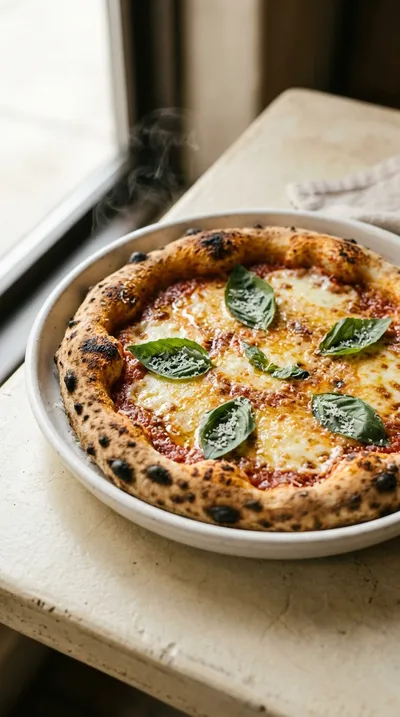
Once it's golden brown, just let it sit for a minute. I mean, I know it's hard to wait, but it lets the cheese set so you get a perfect slice.
-
Keep your water between 100-110°F to help the natural fermentation along.
-
If your oven is a bit too eager, move the pizza to a lower rack so the bottom crisps up without burning the top.
-
For a chewier, more complex crust, let the dough spend the night in the refrigerator.
-
Use a heavily floured surface when rolling out your dough to keep it from sticking.
Pro Tips
Just take your time with it, and it'll turn out lovely.
 Snacks, Appetizers & Fun Bites
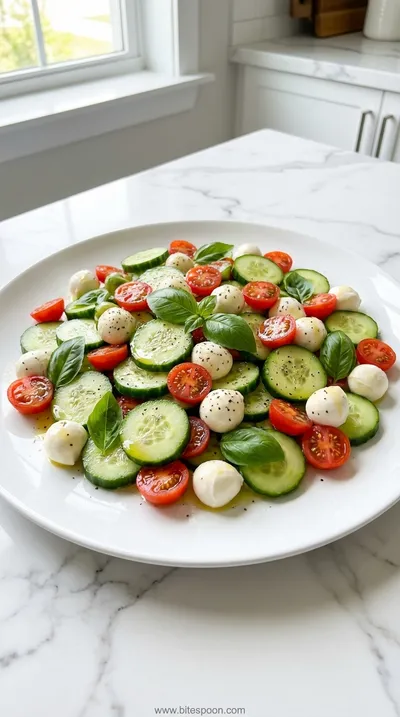
Quick Cucumber Mozzarella Salad
A quick, crisp cucumber and mozzarella salad with a hint of sweet vinaigrette.

Better For You Treats
I love that this crust doesn't use any added yeast, which makes it a bit gentler on the tummy. Since it uses sourdough discard, it's naturally lower in preservatives than those store-bought options, which just feels right.
Ways to Make it Your Own
You could try a Mediterranean Herb Crust by folding in 1 teaspoon each of dried oregano, thyme, and ground garlic. Or, for something a bit different, swirl 1 cup of sautéed fresh spinach into the dough for a lovely green look.
Serving Suggestions
I usually finish mine with a little drizzle of extra-virgin olive oil and some red pepper flakes. It's also wonderful served alongside a fresh arugula salad with lemon vinaigrette and shaved Parmesan to balance the richness.
Frequently Asked Questions
→ What if my dough is too sticky to knead?
Oh, that happens to the best of us! Just sprinkle in a little more flour, a tablespoon at a time, until it feels smooth in your hands.
→ Can I make this crust ahead of time?
Absolutely. You can freeze individual rolled crusts flat on parchment; just thaw them in the fridge overnight before baking.
→ Do I really need a pizza stone?
No, you don't have to! A regular baking sheet works just fine, though the stone does give you a slightly crispier bottom.
Nutrition Facts
per serving
420
Calories
18g
Protein
68g
Carbs
6g
Fat
Taste Profile
A rustic, tangy base with a savory finish.
Ingredient Substitutions
Don't have an ingredient? Try these alternatives
Will result in a slightly chewier, more structural crust.
A neutral oil that works just as well for greasing and mixing.
Recipe Variations
Try these delicious twists on the original
Mediterranean Herb Crust
Fold 1 teaspoon each of dried oregano, thyme, and ground garlic into the flour mix. It's just lovely with light toppings like capers and olives.
Cheesy Spinach Crust
Swirl 1 cup of fresh spinach, lightly sautéed and cooled, through the rolled dough. It adds a pretty green swirl and some extra nutrition.
Common Mistakes to Avoid
Learn from others' mistakes for perfect results
- Using water that is too hot, which can kill the natural wild yeast in the discard.
- Skipping the resting periods, leading to a crust that is hard to stretch.
- Over-flouring the dough during kneading, which makes the crust too dense.
Meal Prep & Storage
Make Ahead Tips
You can let the dough rest in the refrigerator overnight. It actually helps the flour digest and makes the flavor even deeper.
Leftover Ideas
Store any leftover crust pieces in an airtight container for 2 days. Reheat in the oven at 475°F for a few minutes to bring back the crisp.
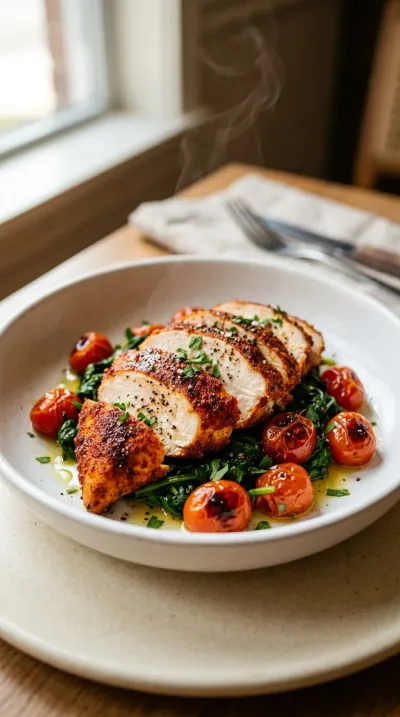
Perfect Pairings
Serve this with...
Cooking Timeline
Preheat oven and prepare pizza stone.
Mix dry and wet ingredients into a rough dough.
Knead dough until smooth and elastic.
First rest (30 min) and second rise (15 min).
Roll, top, and bake for 10-12 minutes.
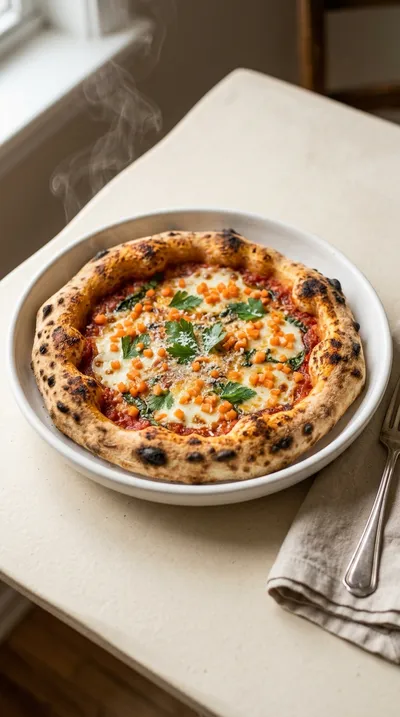
Sourdough Pizza Crust No Yeast
A warm, rustic sourdough pizza crust no yeast that fills the kitchen with a gentle, tangy aroma. It has a lovely, chewy pull and a golden crisp that makes every homemade slice feel like a small celebration.
Timing
Prep Time
30 Minutes
Cook Time
12 Minutes
Total Time
42 Minutes
Recipe Details
Ingredients
Main Ingredients
-
01
1 cup sourdough discard (ripe, at room temperature)
-
02
2 cups all-purpose flour, plus extra for dusting
-
03
1/2 cup warm water (110°F)
-
04
1 tablespoon olive oil, plus more for greasing
-
05
1 teaspoon sea salt
-
06
1/2 teaspoon baking soda (optional to lighten the crust)
Instructions
First things first, let's get that oven nice and hot. Preheat it to 475°F (245°C). If you have a pizza stone or steel, slide it in there now. Oh, and keep your pizza peel handy on the counter so you aren't scrambling later.
Grab a large bowl and whisk together your 2 cups all-purpose flour, 1 teaspoon sea salt, and that 1/2 teaspoon baking soda if you're using it. I mean, it really does help lighten things up.
Now, stir in the 1 cup sourdough discard, 1/2 cup warm water (110°F), and 1 tablespoon olive oil. Use a wooden spoon and just keep at it until a rough dough starts to form.
Turn the dough out onto a lightly floured surface. Knead it for about 57 minutes. You're looking for it to feel smooth and elastic. Honestly, if it feels a bit too sticky, just sprinkle on a little more flour.
Shape your dough into a round ball and pop it into a greased bowl. Cover it with a damp towel and just let it be for 30 minutes. This lets the gluten relax, which makes everything easier.
After the rest, divide the dough into two equal portions. Reshape each into a ball, cover them up again, and give them a gentle second rise for about 15 minutes.
On a surface with plenty of flour, roll one dough ball into an 8-inch circle. You can use a rolling pin or just your hands if you're feeling rustic. Carefully transfer it to a pizza peel dusted with cornmeal or a piece of parchment.
Go ahead and add your favorite sauce, cheese, and toppings. Then, slide that beauty onto the preheated stone or baking sheet. Bake for 1012 minutes until the crust is golden brown and those edges are crisp.
Pull the pizza out of the oven and let it sit for just a minute—I know it's hard to wait! Slice it up and serve it hot. Then, just repeat the whole thing for the second crust.
Notes & Tips
-
1
Warm water helps activate the discard without too much fuss.
-
2
The optional baking soda provides a bit more lift since there's no commercial yeast.
-
3
Resting the dough is the secret to avoiding a crust that shrinks back when you roll it.
Tools You'll Need
-
large mixing bowl for combining ingredients
-
whisk for the dry mix
-
wooden spoon for stirring the rough dough
-
floured surface or clean countertop for kneading
-
dough scraper or spatula for handling
-
greased bowl or proofing basket for resting
-
clean kitchen towel to keep dough moist
-
pizza peel or baking sheet for oven transfer
-
oven for baking
-
baking stone or steel (optional) for a professional crisp
-
cornmeal or parchment paper (optional) to prevent sticking
Must-Know Tips
-
Water Temp, Use water between 100–110°F to help the natural fermentation along.
-
Rack Placement, If your oven runs hot, place the pizza on a lower rack so the bottom doesn't burn before the top is done.
-
Cold Fermentation, For a chewier crust, let the dough rest in the fridge overnight to improve the flavor.
Professional Secrets
-
Allowing a second 15-minute rise after dividing the dough creates a more consistent air structure.
-
Using a preheated stone mimics a professional pizza oven for a superior bottom crust.
-
The interaction between sourdough acidity and baking soda creates a unique, airy lift without yeast.
What readers are saying
Community reviews from home cooks like you
It was okay, with a few tweaks. The temperature) flavor was nice, but next time i'll double the sauce. I might try it again with some adjustments.
The flavors were spot on. I really liked how the 1 cup sourdough discard (ripe, at room temperature) and 2 cups all-purpose flour, plus extra for dusting came together. Perfect as written.
Good, but not amazing. The temperature) flavor was nice, but i found it a bit sweet for my taste. I might try it again with some adjustments.
It was okay, with a few tweaks. The temperature) flavor was nice, but next time i'll double the sauce. I might try it again with some adjustments.
Can't believe how simple this was. I really liked how the 1 cup sourdough discard (ripe, at room temperature) and 2 cups all-purpose flour, plus extra for dusting came together. My kids even asked for seconds.
The flavors were spot on. I really liked how the 1 cup sourdough discard (ripe, at room temperature) and 2 cups all-purpose flour, plus extra for dusting came together. Will be making this regularly.
So easy and delicious. I really liked how the 1 cup sourdough discard (ripe, at room temperature) and 2 cups all-purpose flour, plus extra for dusting came together. It took slightly longer than the recipe said. Great addition to my recipe rotation.
Decent result for the effort. The temperature) flavor was nice, but i added a bit more seasoning next time. I might try it again with some adjustments.
Will definitely make this again. I really liked how the 1 cup sourdough discard (ripe, at room temperature) and 2 cups all-purpose flour, plus extra for dusting came together. Already shared it with a friend.
Perfect for a busy weeknight. I really liked how the 1 cup sourdough discard (ripe, at room temperature) and 2 cups all-purpose flour, plus extra for dusting came together. Saving this for later.
Will definitely make this again. I really liked how the 1 cup sourdough discard (ripe, at room temperature) and 2 cups all-purpose flour, plus extra for dusting came together. Highly recommend giving it a try.
Can't believe how simple this was. I really liked how the 1 cup sourdough discard (ripe, at room temperature) and 2 cups all-purpose flour, plus extra for dusting came together. Great addition to my recipe rotation.

Recipe by
Sofia RiveraExploring the world through food 🌍🍲 Rich flavors, exciting dishes, and endless culinary inspiration ✨
Get Delicious Recipes Weekly
Join 25,000+ home cooks getting our best recipes straight to their inbox.
Free forever • No spam • Unsubscribe anytime