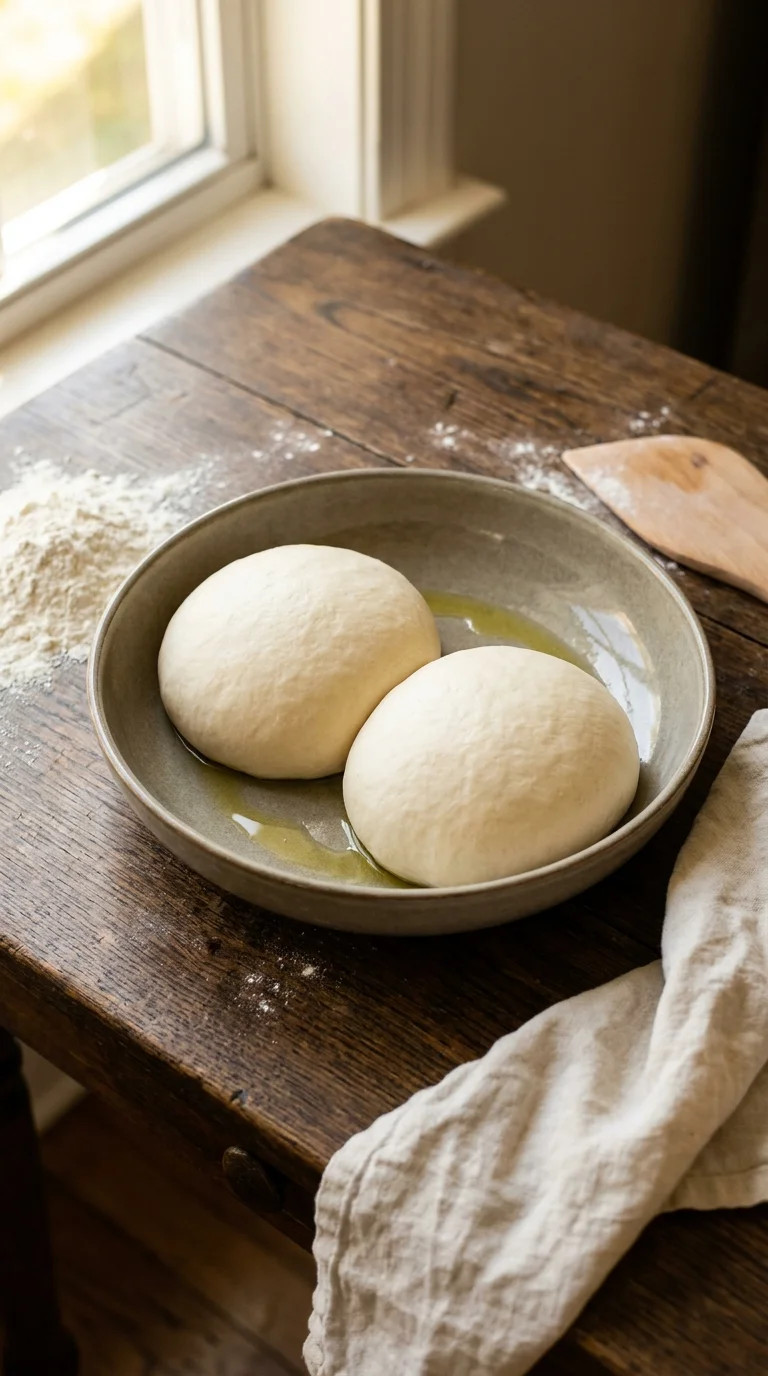
The art of the pizza crust is deeply rooted in the traditions of Naples, where the balance of simplicity and heat creates a culinary icon. Authentic Italian dough relies on a handful of basic elements—flour, water, salt, and yeast—to produce a bread that is both light and structurally sound. Over centuries, the technique of hand-stretching the dough became a mark of a true pizzaiolo, ensuring the air pockets remained intact for a characteristic airy rim.
In the heart of Italian home cooking, the homemade italian pizza dough is more than just a recipe; it is a ritual of hospitality. While the professional ovens of Italy reach scorching temperatures, the home cook has adapted these methods to create a chewy, satisfying crust using standard ovens. The addition of olive oil helps the dough maintain moisture, bridging the gap between rustic village bread and modern convenience.
This approach to baking emphasizes the importance of gluten development. By allowing the dough to rest and rise, the starches break down, resulting in a texture that is easy to digest and incredibly satisfying. It is a testament to how a few humble ingredients can be transformed into a centerpiece of a meal that brings people together across generations.
Why You'll Love It
-
- Honestly, there is just something about the smell of yeast rising in a warm kitchen that feels like a hug from the inside.
-
- You get that wonderful contrast of a crisp, golden edge and a center that is so fluffy and chewy, just like the spots I used to visit years ago.
-
- It is so simple, really, and it makes the whole house feel cozy and welcoming when you're kneading the dough by hand.
-
- Well, look, once you taste the difference between this and a store-bought crust, you'll never go back, I mean, it is just so much more honest.
"Honestly, I've tried a dozen recipes, but this one is just right. So fluffy and exactly like the ones from my favorite spot!"
Essential Ingredient Guide
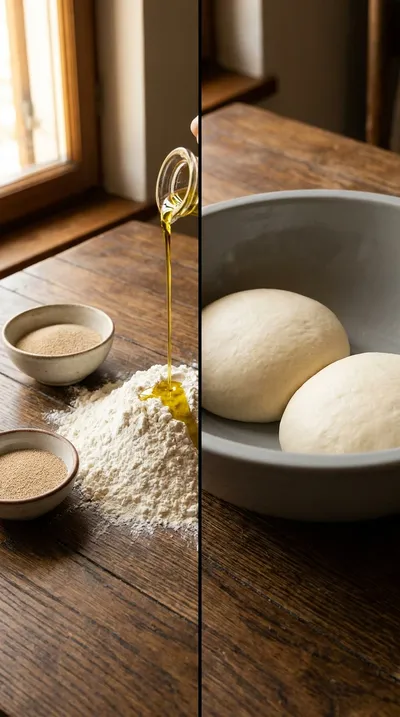
- 4 cups all‑purpose flour (480 g): This is the heart of our crust. I like to sift it gently to keep things light, though a high-protein version can give you a bit more chew if that is what you fancy.
- 1 tsp active dry yeast (3 g): The little magic worker that makes the dough breathe. Just make sure your water is warm, not hot, or you might accidentally scare the yeast away.
- 2 tbsp extra‑virgin olive oil (30 ml): This adds a lovely, rich depth to the flavor. It helps the dough feel supple and gives the crust a beautiful, golden glow in the oven.
- 1 1/2 tsp salt (9 g): Don't skip this, dang, it really wakes up all the other flavors. It keeps the dough from tasting flat and balances the sweetness of the sugar.
- 3/4 cup warm water, 110 °F (185 ml): The temperature is key here. It needs to be just warm enough to wake up the yeast without burning it—kind of like a cozy bath.
- 1 tsp sugar (4 g): Just a pinch to feed the yeast and help it get foamy. It doesn't make the pizza sweet, but it helps the crust brown beautifully.

Complete Cooking Process
-
Getting Ready:
We start by waking up the yeast and sugar in warm water. It's a quiet little moment of waiting for those bubbles to appear before we bring in the flour.
-
Building the Base:
Mixing the yeast mixture and olive oil into the flour creates a shaggy, messy dough. It's a bit chaotic at first, but that is where the magic begins.
-
The Rhythm of Kneading:
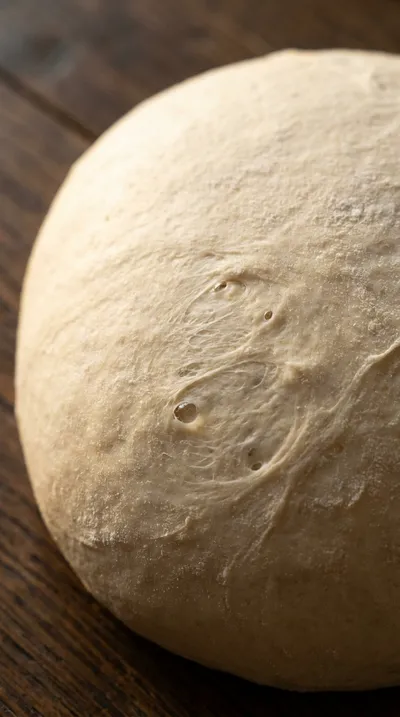
Spending ten minutes kneading the dough transforms it from sticky to smooth and springy. You can actually feel the gluten strengthening under your palms.
-
The Patient Wait:
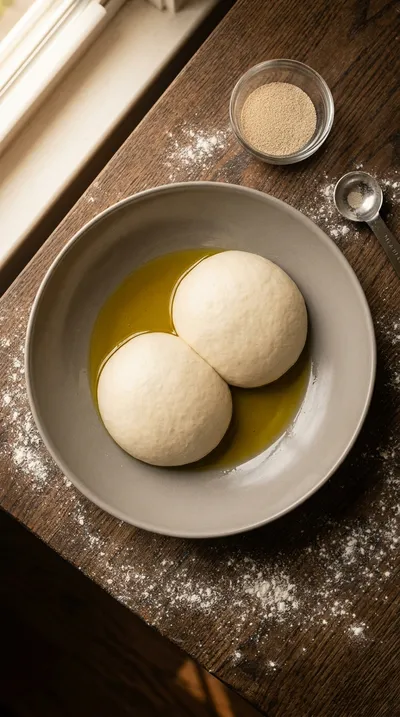
Giving the dough an hour to rise in a greased bowl lets it double in size. Then, letting the divided balls rest for 10 minutes ensures they don't snap back when you stretch them.
-
The High Heat Finish:
Baking at 475 °F on a preheated stone creates those gorgeous, bubbly edges. It's all about that sudden heat to lock in the fluffiness.
-
Use high‑protein flour for a chewier, more elastic crust that holds toppings well.
-
Keep your liquid ingredients right at 110 °F to help the yeast activate without scalding it.
-
Always let the dough rest after the first rise so it is easier to stretch without springing back.
-
Preheat your pizza stone or baking sheet for at least 30 minutes for a restaurant-style bottom.
Pro Tips
Just take your time with it, and your kitchen will smell like a little slice of Italy.
Better For You Treats
While this is a comforting treat, I find it's more mindful when you control the ingredients. It's a hearty way to enjoy a meal, and keeping the toppings fresh makes it feel balanced.
Ways to Make it Your Own
You could try replacing half of the 4 cups all‑purpose flour (480 g) with whole-wheat for a nuttier taste. Or, ugh, I love stirring in 1 tsp dried oregano into the flour for a scent that fills the whole house.
Serving Suggestions
I always pair mine with a crisp green salad and a lemon-olive oil dressing to cut through the richness. A little drizzle of extra-virgin olive oil and some Parmigiano-Reggiano on top is just the thing.
Frequently Asked Questions
→ What if my dough keeps shrinking back when I try to stretch it?
Oh, that just means it's a bit tight! Let it rest for another 10 minutes to relax the gluten, and it'll be much more cooperative.
→ Can I make this dough ahead of time?
Yes, absolutely. You can keep it in an airtight container for up to 2 days at room temperature, or freeze it for 4 weeks if you're planning ahead.
→ My yeast didn't get foamy, did I ruin it?
Don't worry, it happens to the best of us. It usually means the water was too hot or too cold, so just start over with a fresh batch of yeast and warm water.
Nutrition Facts
per serving
680
Calories
22g
Protein
115g
Carbs
12g
Fat
Taste Profile
A classic, balanced bread flavor with a hint of olive oil richness.
Ingredient Substitutions
Don't have an ingredient? Try these alternatives
This will result in an even chewier crust due to higher protein.
You can mix instant yeast directly into the flour without blooming in water first.
Recipe Variations
Try these delicious twists on the original
Whole Wheat Pizza Dough
For a bit more fiber and a lovely nutty flavor, replace up to 50 % of the all‑purpose flour with whole‑wheat flour.
Herbed Pizza Dough
Add a fragrant twist by stirring 1 tsp dried oregano or 2 tsp fresh rosemary into the dry flour blend.
Common Mistakes to Avoid
Learn from others' mistakes for perfect results
- Water too hot: Using water above 120 °F can kill the yeast.
- Under-kneading: Not kneading long enough leads to a dense, non-elastic crust.
- Skipping the rest: Trying to stretch the dough immediately after the rise often causes it to shrink back.
Meal Prep & Storage
Make Ahead Tips
You can prepare the dough a day in advance and keep it in the fridge, or freeze portions for up to 4 weeks. Just remember to thaw in the fridge overnight.
Leftover Ideas
Store unused dough in an airtight container for up to 2 days. If the dough has firmed up, just fluff it a bit before using.
Perfect Pairings
Serve this with...
Cooking Timeline
Whisk yeast and sugar in warm water.
Sift dry ingredients and mix in wet ingredients.
Knead the dough until smooth and springy.
Allow dough to rise in a warm spot for 1 hour.
Shape, stretch, top, and bake until golden.
 Snacks, Appetizers & Fun Bites
Smoked Salmon Recipe – Quick & Easy
Quick, smoky, and tender smoked salmon—ideal for snacking or dressing up a platter.
Homemade Italian Pizza Dough Recipe
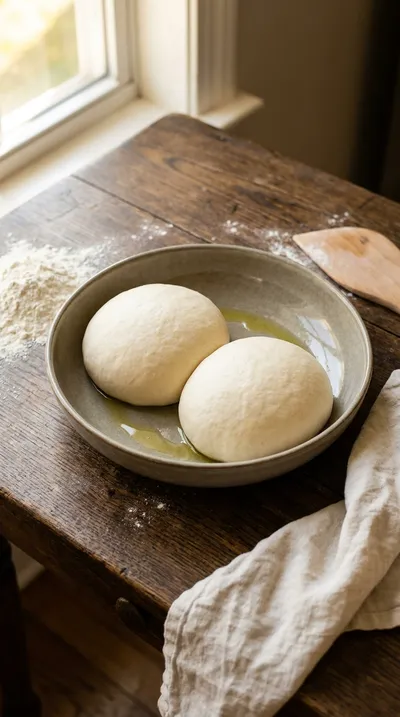
There is nothing quite like the smell of a homemade italian pizza dough rising on a quiet afternoon. This recipe creates a crust that is wonderfully fluffy and chewy, making it the perfect base for your favorite family toppings.
Timing
Prep Time
15 Minutes
Cook Time
15 Minutes
Total Time
75 Minutes
Recipe Details
Ingredients
Main Ingredients
-
01
1 tsp active dry yeast (3 g)
-
02
1 tsp sugar (4 g)
-
03
3/4 cup warm water, 110 °F (185 ml)
-
04
4 cups all‑purpose flour (480 g)
-
05
1 1/2 tsp salt (9 g)
-
06
2 tbsp extra‑virgin olive oil (30 ml)
-
07
1 tbsp olive oil, for greasing the bowl
Instructions
In a small bowl, whisk your 1 tsp active dry yeast (3 g) and 1 tsp sugar (4 g) into 3/4 cup warm water, 110 °F (185 ml). Now, just let it sit for about 5 minutes. It’s so lovely to watch it get foamy; that’s how you know the yeast is waking up.
In a large bowl, sift together your 4 cups all‑purpose flour (480 g) and 1 1/2 tsp salt (9 g). Honestly, sifting makes such a difference for a light crust.
Make a little well in the center of the flour. Pour in that foamy yeast mixture and 2 tbsp extra‑virgin olive oil (30 ml), then stir with a spoon until a shaggy dough forms. It'll look a bit messy at first, but that’s okay.
Turn the dough onto a lightly floured surface. Knead it for 8‑10 minutes. You’re looking for it to feel smooth, elastic, and springy under your palms.
Shape the dough into a ball. Coat your bowl with 1 tbsp olive oil, place the dough inside, and cover it with a damp towel or plastic wrap. Let it rise in a warm spot for 1 hour, or until it's doubled in size. Wow, it really does grow!
Gently punch the dough down to let the air out, then divide it into two equal portions and shape each into a neat little ball.
Let those dough balls rest for 10 minutes. This is the secret, really—it lets them relax so stretching becomes so much easier.
Preheat your oven to 475 °F (240 °C). Place your pizza stone or baking sheet inside to heat up for at least 30 minutes. You want it screaming hot.
On a floured surface, stretch each dough ball into an 8‑10 inch circle. Transfer them to parchment paper and add your sauce, cheese, and whatever toppings you're feeling today.
Bake for 12‑15 minutes, or until those edges are golden‑brown and the cheese is all bubbly. Remove it, let it rest for 2 minutes—I know it's hard to wait!—then slice and serve hot.
Notes & Tips
-
1
Keep your liquid ingredients warm at 110 °F to help the yeast activate properly.
-
2
Don't skip the resting period after the first rise; it prevents the dough from springing back.
-
3
Using a preheated pizza stone helps achieve that restaurant-style bottom crust.

Tools You'll Need
-
Large mixing bowl for combining ingredients
-
Measuring cups and spoons for precision
-
Spoon or dough scraper to handle the sticky bits
-
Floured surface or counter for kneading
-
Kitchen towel or plastic wrap to keep the dough moist
-
Pizza stone or baking sheet for high-heat baking
-
Oven for the final bake
-
Parchment paper for easy transfer
-
Timer to keep track of the rise
Must-Know Tips
-
Yeast Temperature, Ensure liquids are exactly 110 °F to avoid scalding the yeast.
-
Flour Quality, Use high‑protein flour for a chewier, more elastic crust.
-
Gluten Relaxation, Let the dough rest after the first rise so it stretches easier.
Professional Secrets
-
The 'Shaggy' Stage, Don't over-mix during the initial stir; let the kneading do the work.
-
The Preheat Trick, Heating the stone for 30 minutes mimics a professional deck oven.
-
The 2-Minute Rest, Letting the pizza sit for 2 minutes after baking sets the cheese.
What readers are saying
Community reviews from home cooks like you
This was a hit with my family. I really liked how the 1 tsp active dry yeast (3 g) and 1 tsp sugar (4 g) came together. My oven needed an extra 5 minutes. Saving this for later.
I was surprised how good this turned out. I really liked how the 1 tsp active dry yeast (3 g) and 1 tsp sugar (4 g) came together. I swapped one ingredient and it still worked. Perfect as written.
This exceeded my expectations. I really liked how the 1 tsp active dry yeast (3 g) and 1 tsp sugar (4 g) came together. I added a bit more seasoning next time. Saving this for later.
This was a hit with my family. I really liked how the 1 tsp active dry yeast (3 g) and 1 tsp sugar (4 g) came together. Perfect as written.
Good, but not amazing. The (3 g) flavor was nice, but next time i'll double the sauce. I might try it again with some adjustments.
Will definitely make this again. I really liked how the 1 tsp active dry yeast (3 g) and 1 tsp sugar (4 g) came together. Next time I'll double the sauce. Will be making this regularly.
My new favorite way to make Homemade Italian Pizza Dough Recipe. I really liked how the 1 tsp active dry yeast (3 g) and 1 tsp sugar (4 g) came together. My kids even asked for seconds.
This exceeded my expectations. I really liked how the 1 tsp active dry yeast (3 g) and 1 tsp sugar (4 g) came together. I added a bit more seasoning next time. Saving this for later.
This exceeded my expectations. I really liked how the 1 tsp active dry yeast (3 g) and 1 tsp sugar (4 g) came together. My oven needed an extra 5 minutes. Already shared it with a friend.

Recipe by
Sofia RiveraExploring the world through food 🌍🍲 Rich flavors, exciting dishes, and endless culinary inspiration ✨
Get Delicious Recipes Weekly
Join 25,000+ home cooks getting our best recipes straight to their inbox.
Free forever • No spam • Unsubscribe anytime