
The art of sourdough dates back thousands of years, born from the wild yeasts drifting in the air of ancient kitchens. While we often think of the grand, crusty loaves of European villages, the spirit of sourdough is really about adaptability and patience. It is a living thing, evolving with the temperature of the room and the touch of the baker.
Pizza, of course, found its heart in Naples, where the combination of simple wheat and fire created a global language of comfort. When you integrate a small batch sourdough pizza crust into this tradition, you are blending that Neapolitan speed with the slow-fermented depth of ancient grains.
Using the 'discard'—the portion of the starter that isn't being fed for a loaf—is a practice rooted in the old-world value of waste-not, want-not. It transforms what would be lost into a complex, tangy base that elevates a humble home meal into something that tastes of history and hearth.
Why You'll Love It
-
- Honestly, it's such a relief to use up that sourdough starter discard for something so cozy and satisfying.
-
- The crust has this lovely, chewy texture and a rustic tang that just reminds me of those old-world bakeries.
-
- Well, look, it's a small batch, so you don't end up with way too much dough—just enough for two perfect little pizzas.
-
- I mean, there is something so grounding about kneading the dough by hand; it's my favorite way to slow down after a long day.
"Honestly, I didn't think discard could taste this good. It's so chewy and just the right size for me and my husband."
Essential Ingredient Guide
- 1 cup (240 ml) sourdough starter discard, room temperature: This is where all that wonderful, tangy soul comes from. Just make sure it's at room temperature so it doesn't shock the other ingredients, yeah?
- 1 cup (120 g) bread flour: I use bread flour because it has that extra strength to give us a nice, airy chew. It's what makes the crust feel substantial and not just like flatbread.
- 1/2 cup (60 g) whole wheat flour: This adds a lovely nuttiness and a bit of heartiness to the bite. Honestly, it makes the pizza feel a bit more rustic and homemade.
- 1 tsp salt: Don't skip this, or the dough will taste a bit flat. It just wakes up all the other flavors and keeps the fermentation in check.
- 2 Tbsp olive oil, plus extra for greasing: A little bit of oil keeps the dough supple and helps it brown beautifully in the oven. It adds a gentle, fruity scent as it bakes.
- 1 Tbsp sugar: Just a pinch to help the yeast along and give the crust a gorgeous golden color. It's a small touch, but wow, it makes a difference.
Complete Cooking Process
-
Getting Ready:
Start by whisking your 1 cup (240 ml) sourdough starter discard with the lukewarm water and seasonings. It should look like a smooth, pale ivory cream before you even touch the flour.
-
Building the Flavor:
The magic happens during that long rise—about 3 to 4 hours at room temperature. This is when that classic sourdough tang really settles in and the dough doubles in size.
-
Perfecting the Texture:
Kneading for 5–7 minutes is key; you want it smooth and elastic. Then, letting the shaped circles rest for 15 minutes relaxes the gluten so the dough doesn't snap back while you're topping it.
-
The Final Heat:
Sliding the dough onto a stone that's been heating at 475 °F for 45 minutes is everything. It gives you those crisp, golden edges and bubbly cheese we all crave.
-
The Patient Wait:
Once it's out, let the pizza rest for about 3 minutes. I know it's hard, but it lets the cheese set so it doesn't slide off when you slice it.
-
For an extra airy crust, try an 80% hydration starter and a short nap in the fridge after the first rise.
-
No pizza stone? No worries, just use a hot baking sheet on your bottom rack for a crispier bottom.
-
Keep a damp towel nearby to stop your oven from drying out the dough too quickly.
-
Use parchment paper for easy sliding—it saves so much stress when you're moving the pizza to the stone.
Pro Tips
You've got this, just trust your hands and enjoy the process!

Better For You Treats
I love that we're using 1/2 cup (60 g) whole wheat flour here. It adds a bit of extra fiber and nutrients, making this feel like a more mindful way to enjoy a pizza night.
Ways to Make it Your Own
If you're feeling adventurous, try the Mediterranean Herb version by adding 1 tsp dried oregano and 1 tsp dried rosemary to the dough. Or, for something lighter, you can swap the wheat flours for almond flour and psyllium husk powder.
Serving Suggestions
I usually finish mine with a drizzle of extra-virgin olive oil and some fresh basil leaves. It's just lovely paired with a crisp arugula salad with lemon vinaigrette and some sparkling water.
Frequently Asked Questions
→ What if my dough isn't doubling in size after 4 hours?
Don't panic! Your kitchen might just be a bit chilly. Move it to a warmer spot, like near the oven, and give it another hour.
→ Can I use this dough the next day?
Oh, absolutely. You can freeze the unbaked dough in a freezer-proof bag for up to a month—just thaw it in the fridge overnight before you bake.
→ My dough is sticking to everything, help!
Oops, that happens to the best of us. Just lightly flour your surface and your hands; a little bit of flour goes a long way in keeping things manageable.
Nutrition Facts
per serving
420
Calories
14g
Protein
65g
Carbs
9g
Fat
Taste Profile
A balanced, rustic flavor with a gentle sourdough tang and a hint of sweetness.
Ingredient Substitutions
Don't have an ingredient? Try these alternatives
The crust will be lighter in color and slightly less nutty.
The crust will be slightly less chewy due to lower protein.
Recipe Variations
Try these delicious twists on the original
Mediterranean Herb Sourdough Pizza Crust
Stir in 1 tsp dried oregano and 1 tsp dried rosemary before you start kneading. It makes the crust so fragrant, and it's just wonderful with feta and olives.
Low‑Carb Almond Flour Sourdough Pizza Crust
For a lower carb option, swap the wheat flours for 1 cup almond flour and add 1 Tbsp psyllium husk powder for structure. It's nuttier but still has that tang.
Common Mistakes to Avoid
Learn from others' mistakes for perfect results
- Using water that's too hot, which can kill the yeast in the sourdough starter.
- Skipping the 15-minute rest after shaping, which leads to a crust that shrinks.
- Not preheating the stone long enough, resulting in a soggy bottom.
Meal Prep & Storage
Make Ahead Tips
You can freeze the unbaked dough in a freezer-proof bag for up to a month. Just remember to thaw it overnight in the fridge before you shape and bake it.
Leftover Ideas
Keep slices in an airtight container at room temperature for 2 days. Use parchment paper so they don't stick to the sides.
Perfect Pairings
Serve this with...
Cooking Timeline
Whisking wet ingredients and mixing in the flours.
Kneading the dough until smooth and elastic.
First rise at room temperature until doubled.
Dividing, shaping, and letting the dough relax.
Adding toppings and baking to golden perfection.


Small Batch Sourdough Pizza Crust
A cozy, chewy small batch sourdough pizza crust that brings the warmth of a rustic bakery into your own kitchen. It has that wonderful sourdough tang and a golden, airy finish that feels like a hug on a plate.
Timing
Prep Time
15 Minutes
Cook Time
12 Minutes
Total Time
200 Minutes
Recipe Details
Ingredients
Dough Ingredients
-
01
1 cup (240 ml) sourdough starter discard, room temperature
-
02
1 cup (120 g) bread flour
-
03
1/2 cup (60 g) whole wheat flour
-
04
1 tsp salt
-
05
1 Tbsp sugar
-
06
3/4 cup (180 ml) lukewarm water
-
07
2 Tbsp olive oil, plus extra for greasing
Instructions
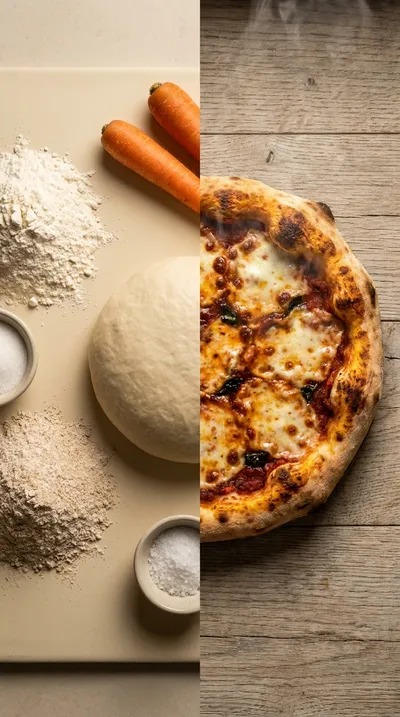
In your large mixing bowl, go ahead and whisk together the 1 cup (240 ml) sourdough starter discard with the 1 tsp salt, 1 Tbsp sugar, and 3/4 cup (180 ml) lukewarm water. Just keep stirring until it's all smooth and turns that lovely, pale ivory color.
Now, stir in the 1 cup (120 g) bread flour, 1/2 cup (60 g) whole wheat flour, and 2 Tbsp olive oil. I usually use a wooden spoon, but your hands work just fine too, until you've got a shaggy little dough forming.
Move the dough over to a surface dusted with a bit of flour. Knead it for about 5–7 minutes. You're looking for it to feel smooth and elastic—it should spring right back when you give it a little poke.
Shape it into a neat ball and pop it into a lightly oiled bowl. Cover it up with plastic wrap or a damp kitchen towel and let it just be. Let it rise at room temperature (about 70 °F) until it's doubled in size, which usually takes 3–4 hours.
Gently punch the dough to let the air out, then divide it into two equal portions. Shape each into a circle about 9 inches across and set them on pieces of parchment paper.
Cover them loosely and let them rest for 15 minutes. Honestly, don't skip this; it lets the gluten relax so the dough doesn't fight you.
Preheat your oven to 475 °F (245 °C) with your pizza stone inside. Give it at least 45 minutes to get thoroughly hot—that's the secret to a good crust.
Carefully slide the parchment‑lined dough onto that hot stone. Now comes the fun part: add your sauce, cheese, and whatever toppings you're in the mood for.
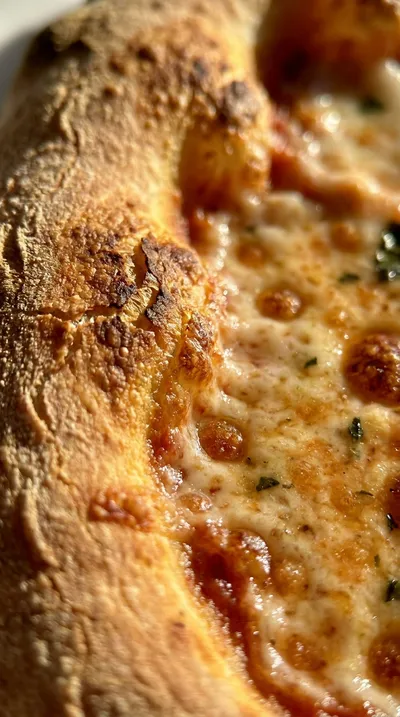
Bake for 10–12 minutes. Look for those edges to turn a beautiful golden brown and the cheese to be bubbly and just a bit browned.
Slide it out with a peel and let it rest for about 3 minutes. I know it's hard to wait, but it helps. Then slice it up and serve it hot.
Notes & Tips
-
1
Use a digital scale if you have one for more consistent results with the flour.
-
2
Ensure the water is lukewarm, not hot, so you don't hurt the wild yeast in the discard.
-
3
The rise time can vary depending on how warm your kitchen is.
Tools You'll Need
-
Large mixing bowl for combining the dough
-
Measuring cups and spoon for precision
-
Digital kitchen scale (optional but helpful)
-
Pizza stone or aluminum baking sheet for a crisp base
-
Parchment paper to prevent sticking
-
Plastic wrap or clean kitchen towel for the rise
-
Pizza peel or spatula for easy transferring
-
Oven with timer to track the bake
Must-Know Tips
-
Hydration, Use an 80% hydration starter for an even airier crust.
-
Stone Alternative, If you lack a stone, use a hot baking sheet on the bottom rack for a crispier bottom.
-
Moisture Control, Keep a damp towel nearby to stop the oven from drying out your dough too quickly.
Professional Secrets
-
Cold Fermentation: Letting the dough rest in the fridge for 2–4 hours after the first rise deepens the sourdough tang.
-
Gluten Relaxation: The 15-minute rest after shaping prevents the dough from shrinking back.
-
Thermal Mass: Preheating the stone for 45 minutes mimics a professional pizza oven's heat.
What readers are saying
Community reviews from home cooks like you
The flavors were spot on. I really liked how the 1 cup (240 ml) sourdough starter discard, room temperature and 1 cup (120 g) bread flour came together. Great addition to my recipe rotation.
It was okay, with a few tweaks. The temperature flavor was nice, but i swapped one ingredient and it still worked. I might try it again with some adjustments.
Absolutely loved this recipe! I really liked how the 1 cup (240 ml) sourdough starter discard, room temperature and 1 cup (120 g) bread flour came together. Perfect as written.
Can't believe how simple this was. I really liked how the 1 cup (240 ml) sourdough starter discard, room temperature and 1 cup (120 g) bread flour came together. I would reduce the salt a little. My kids even asked for seconds.
This was a hit with my family. I really liked how the 1 cup (240 ml) sourdough starter discard, room temperature and 1 cup (120 g) bread flour came together. Will be making this regularly.
This exceeded my expectations. I really liked how the 1 cup (240 ml) sourdough starter discard, room temperature and 1 cup (120 g) bread flour came together. Already shared it with a friend.
Absolutely loved this recipe! I really liked how the 1 cup (240 ml) sourdough starter discard, room temperature and 1 cup (120 g) bread flour came together. I found it a bit sweet for my taste. Will be making this regularly.
I wanted to love this dish, but it didn't quite work for me. I would reduce the salt a little. I think with some tweaks it could be really good.
Absolutely loved this recipe! I really liked how the 1 cup (240 ml) sourdough starter discard, room temperature and 1 cup (120 g) bread flour came together. Already shared it with a friend.
I wanted to love this dish, but it didn't quite work for me. I found it a bit sweet for my taste. I think with some tweaks it could be really good.
This was a hit with my family. I really liked how the 1 cup (240 ml) sourdough starter discard, room temperature and 1 cup (120 g) bread flour came together. Will be making this regularly.
So easy and delicious. I really liked how the 1 cup (240 ml) sourdough starter discard, room temperature and 1 cup (120 g) bread flour came together. Already shared it with a friend.
Good, but not amazing. The temperature flavor was nice, but next time i'll double the sauce. I might try it again with some adjustments.
Can't believe how simple this was. I really liked how the 1 cup (240 ml) sourdough starter discard, room temperature and 1 cup (120 g) bread flour came together. It took slightly longer than the recipe said. Will be making this regularly.
Perfect for a busy weeknight. I really liked how the 1 cup (240 ml) sourdough starter discard, room temperature and 1 cup (120 g) bread flour came together. Highly recommend giving it a try.
This exceeded my expectations. I really liked how the 1 cup (240 ml) sourdough starter discard, room temperature and 1 cup (120 g) bread flour came together. Highly recommend giving it a try.
Can't believe how simple this was. I really liked how the 1 cup (240 ml) sourdough starter discard, room temperature and 1 cup (120 g) bread flour came together. The texture was a touch off, but the flavor saved it. Saving this for later.
I was surprised how good this turned out. I really liked how the 1 cup (240 ml) sourdough starter discard, room temperature and 1 cup (120 g) bread flour came together. Highly recommend giving it a try.
This exceeded my expectations. I really liked how the 1 cup (240 ml) sourdough starter discard, room temperature and 1 cup (120 g) bread flour came together. The texture was a touch off, but the flavor saved it. Perfect as written.
I wanted to love this dish, but it didn't quite work for me. My oven needed an extra 5 minutes. I think with some tweaks it could be really good.
I wanted to love this dish, but it didn't quite work for me. I found it a bit sweet for my taste. I think with some tweaks it could be really good.

Recipe by
Alexa CarterFast food, but smarter 🔥🍽️ Bold flavors, simple steps, and meals that always hit the spot 😎
Get Delicious Recipes Weekly
Join 25,000+ home cooks getting our best recipes straight to their inbox.
Free forever • No spam • Unsubscribe anytime